A few roaches under the sink at night is normal pest pressure; roaches active in daylight or clustered near the stove usually means an established colony, and that's exactly what our Cockroach Control protocol is built to clear.
A technician traces roach activity back to the actual harborage point — usually near a water source — before recommending anything.
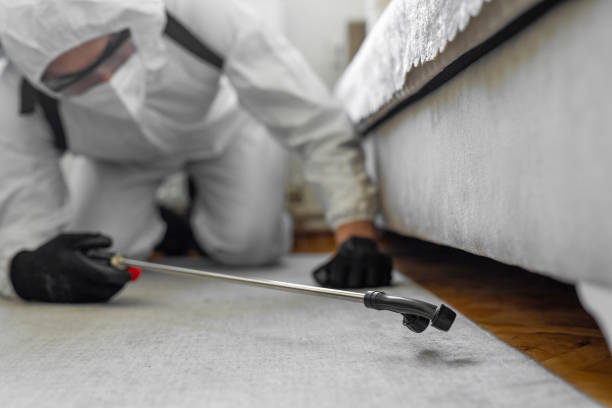
Our Cockroach Control crew is licensed specifically for structural pest work, not just general lawn spraying.
We keep dispatch slots open specifically for active infestations, because roach colonies double in size fast.
Pricing is based on infestation severity and unit count, quoted before any gel or IGR is applied.
We use gel bait stations, IGR (insect growth regulator), and sticky monitors to track population decline visit over visit.
We treat plumbing chases and appliance motor compartments directly, since that's where German roach populations actually breed.
Larger American cockroaches typically enter through drains, sewer lines, and basement gaps, so treatment includes drain-area gel placement and exterior perimeter barrier.
A single spray kills visible roaches but leaves the ootheca intact — our protocol specifically targets the full life cycle, not just adults.
University restaurants and food-service kitchens get discreet, scheduled gel and monitor programs with documentation for health inspections.
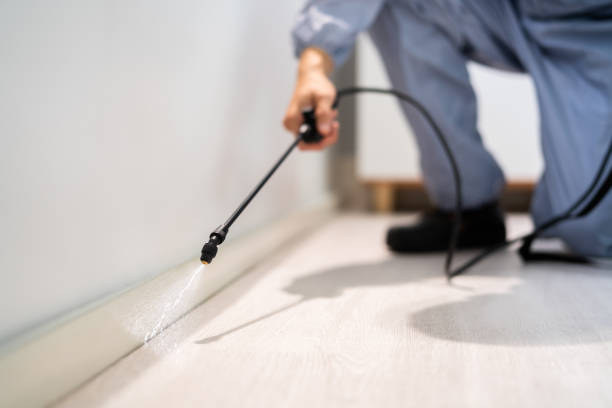
Injection treatment goes into wall voids and cabinet joints where a surface spray never penetrates.
Glue monitors placed at the first visit let us count activity decline at the follow-up instead of guessing whether treatment worked.

Tell our dispatcher where you've spotted activity; roach calls get fast-tracked given how quickly colonies grow.
Our mobile units carry cockroach-specific product, so there's no return trip needed to grab the right materials.
We trace harborage points, identify German versus American species, and quote a flat price before opening a single bait tube.
Bait and IGR go down the same visit, with a scheduled follow-up to confirm population decline and re-treat any remaining hot spots.
We'd sprayed everything from the store and nothing worked. The Nex Pest Control tech found the ootheca cluster behind our fridge motor — that was the actual source.
As a kitchen manager, I needed something discreet during service hours. Their placements are basically invisible to customers.
Roaches kept coming back every few weeks no matter what I sprayed myself. Turns out the egg casings were surviving — the IGR treatment finally broke the cycle.

Nex Pest Control dispatches Cockroach Control technicians throughout University and nearby communities, with gel bait and IGR stocked on every service vehicle.

Store-bought sprays kill visible roaches but rarely reach the egg casings hidden in voids, so the colony rebounds within weeks.
Daylight sightings are one of the clearest signs of an established, overcrowded colony rather than a handful of stragglers.
Most University clients notice fewer sightings within the first week, though full clearance depends on infestation size.
Yes — gel bait and IGR placements are applied in cracks and voids, not on food-contact surfaces, and we'll walk you through any re-entry timing.
Commercial programs include documented service logs and scheduled monitoring visits to satisfy health inspection requirements.
If the follow-up inspection shows lingering activity, we return and re-treat the identified harborage points at no extra cost.
One call to +1-866-315-0243 gets a certified roach technician on your schedule today.
Call +1-866-315-0243